People are talking about us
Discover the press articles about us


Article on "Basque Country Week" 25/08/26
Great article in the Mediabask newspaper dated 7/08/26


The Slow movement, a response to the ecological and social emergency.
Slow tourism is no longer just a trend, but a necessity imposed by the climate emergency and the saturation of tourist destinations.
But this philosophy is not limited to holidays. It questions our relationship to everyday life: what if "slow" became a way of life in its own right?
The Basque Country, a laboratory of Slow Living.
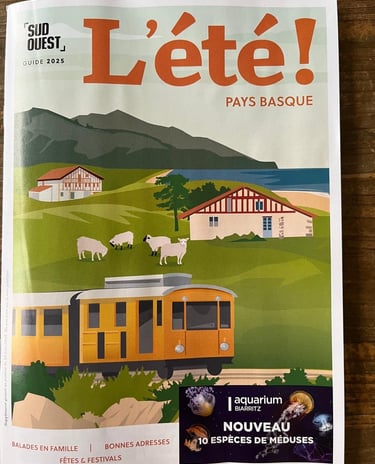
The article "Traveling in the Basque Country in slow mode" perfectly illustrates this transition. Here, tourism is reinventing itself:
- By bike: Cycle paths are multiplying, such as the Vélodyssée or routes along the coast, for a gentle immersion in the landscapes.
- On foot: Long-distance hiking trails (GR®) cross through preserved villages, where time stretches out between local markets and gourmet breaks.
- By train: The Euskotren or TER regional trains connect Basque towns, avoiding the carbon footprint of cars.
Slow tourism encompasses the act of traveling at a slower pace. In addition to its reduced ecological footprint, some appreciate a more relaxing rhythm, far from the noise of motorized vehicles and the hustle and bustle of urban life.
This approach extends to gastronomy (short supply chains, local products) and accommodation (ecolodges, organic farms), proving that slow is much more than a concept: it's a cultural revolution.
Utopia or reality ? The challenge of sustainability.
Moving from slow tourism to slow living raises questions:
Reality :
- Local initiatives are multiplying (e.g., the Slow Food Bizkaia association, which promotes sustainable food).
- Citizens are adopting soft modes of transport (cycling, carpooling) and responsible consumption.
- Businesses are integrating frugality (teleworking, short supply chains).
Utopia?: -
The current economic model remains dependent on speed (express deliveries, mass tourism).
- Inequalities of access: not everyone can afford to slow down (precarious situations, professional constraints).
- Cultural resistance: the "always more, always faster" mentality is ingrained in our societies.
Slowing Down: A Political Act.
Slowing down is neither a utopia nor an absolute reality. It's a process, a gentle resistance against hyperconsumption. As Mediabask shows, the Basque Country and other regions are proving that it's possible – provided there's a collective belief in it.


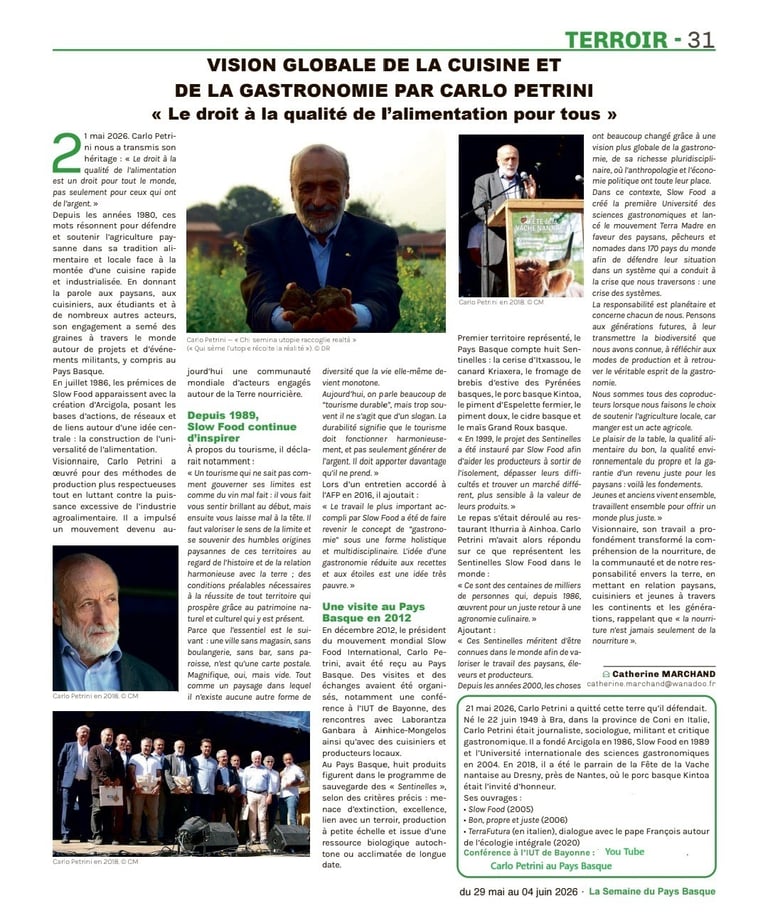
Tribute to Carlo Petrini by Catherine Marchand on "La Semaine du Pays Basque" 04/06/26
Carlo was invited at the initiative of Slow Food Bizi Ona as part of its creation in 2002
Press Lib article 25/06/26 on our change to the Slow Food Basque Country Bizi Ona Community
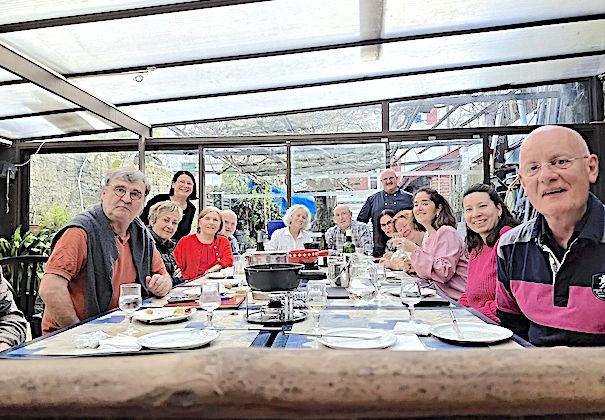
After more than twenty years of commitment to "good, clean, and fair" food, the association underwent a major reorganization during the first half of 2026. New bylaws, renewed governance, and a change of headquarters reflect a desire to adapt to contemporary challenges.
" In 24 years, we've never experienced such a transformation ," emphasizes Vincent Marichular, referring to a strengthened collective dynamic and an increased capacity for action in the region.
This new phase is accompanied by broader public engagement, with redesigned membership options to encourage everyone's involvement, from individuals to businesses, including young people and job seekers.
The ambition is clear: to make engagement accessible and unite people around the preservation of Basque food heritage.
Following this structuring phase, the community will resume its field activities in June. Meetings with producers, cooking workshops, a cross-border Basque cake competition, and initiatives focused on food biodiversity will fill the coming weeks.
True to its values, Slow Food Pays Basque Bizi Ona aims to mobilize citizens and local stakeholders to defend small-scale farming, support traditional skills, and promote sustainable food. It's also a way to address climate and social challenges by collectively cultivating a more responsible future on our plates. More
information is available on the website.
COMMITTED FOOD
Birth of Slow Food Basque Country Bizi Ona
Originating from the convivium created in 2002, this is the tenth French community in the network, marking a turning point towards greater autonomy and local roots.


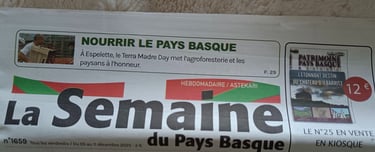
Article in Sud-Ouest and La Semaine du Pays Basque, for our Terra Madre Day in Espelette on 09/12/25
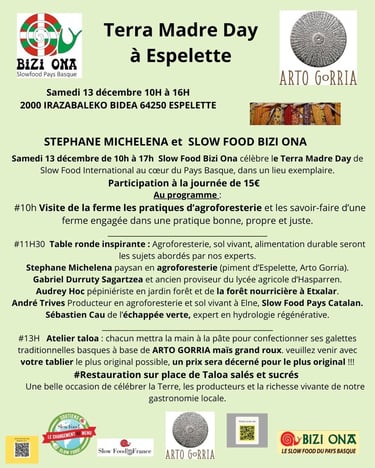
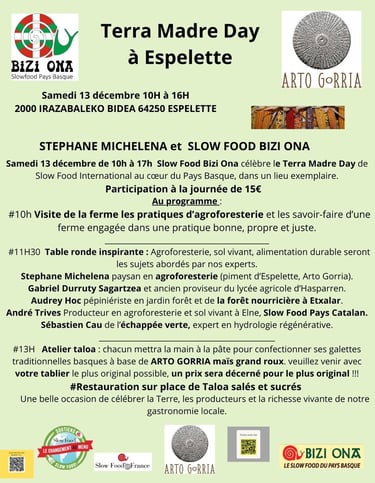
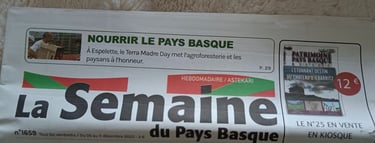


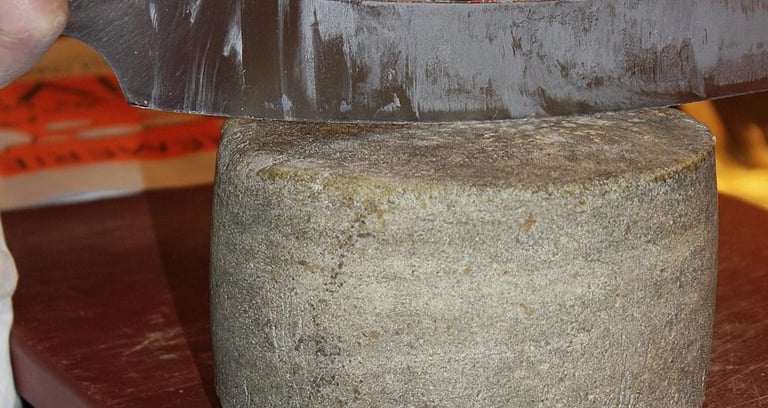
Article from Sud Ouest, July 22, 2025
Click to listen on the button below
The Corsican plate of Slow Food Bizi-ona
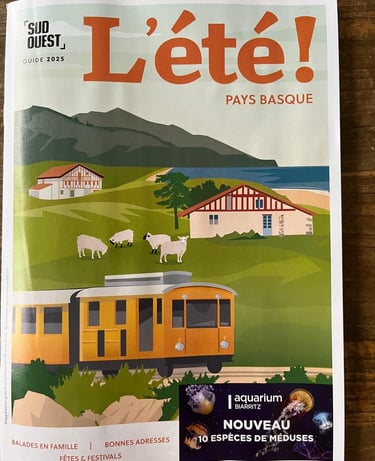
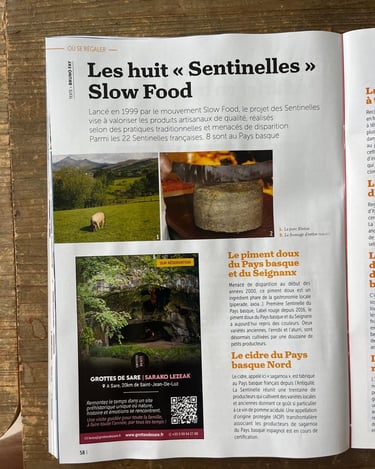
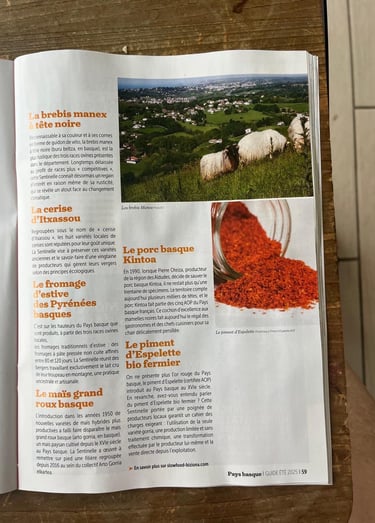
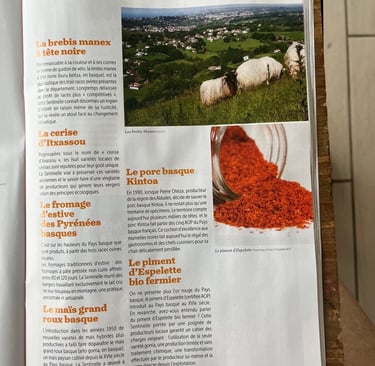
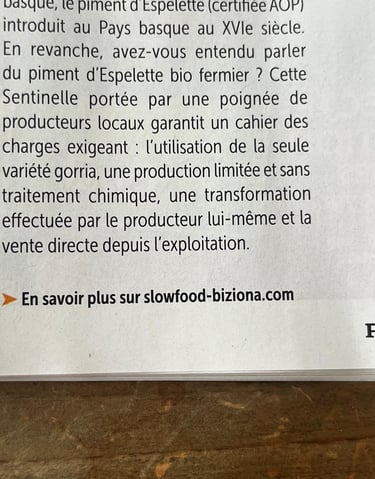
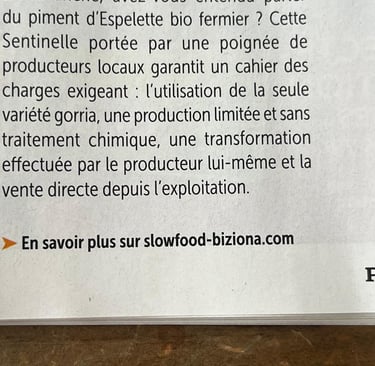
Southwest 1/07/25
SOUTHWEST 07/25
Southwest 18/09/24
The Basque gastronomy festival returns to Saint-Jean-de-Luz in October. It's a chance to discover the expertise of local artisans.
Source: SudOuest.fr
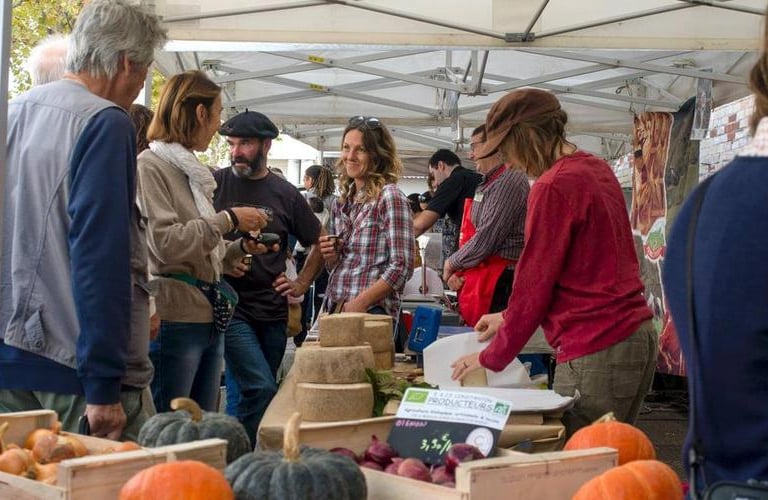
Saint-Jean-de-Luz: For Gourmet October, the market halls host the "Marché Complice" (Partners' Market) and Fermentation Day.
https://search.app/gLFvRTQQVxxUnWJk9
In the Basque Country, support for small-scale farming is taking new forms during the health crisis. Bizi Ona Slow Food is making its network available to individuals
Supporting small-scale farming in the Basque Country, Bizi Ona slow food connects its producers with consumers . This network has structured a new short supply chain for direct sales, enabling its farmers to "find new sales channels in the face of the closure of restaurants, all schools, and markets."
As you probably know by now, the Basque Country is a region with a strong identity that perpetuates its culture and traditions. Bizi Ona, which can be translated as "Live Well," is celebrating 22 years of this initiative. The association promotes a way of consuming that " takes into account the traditions and history of our region " and thus demonstrates "a commitment to responsible and environmentally friendly food practices."
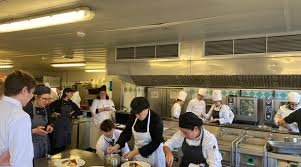
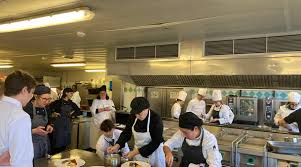
BiziOna has been a key player in the Basque Country's gastronomic scene. As for the Garazi Hospitality School, it is a renowned institution that trains, among others, the future chefs of haute cuisine. Together, they will create a gourmet meal, prepared with local products, as the association promotes healthy and sustainable food.
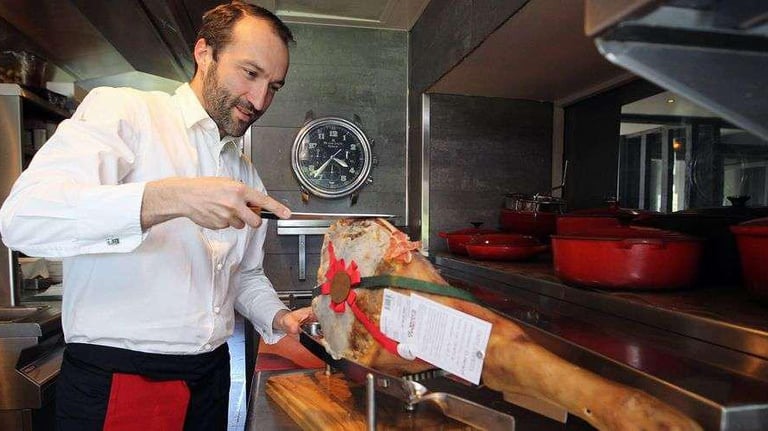
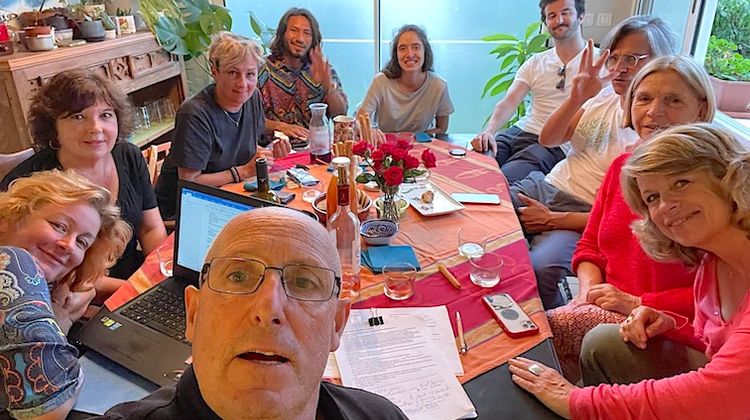
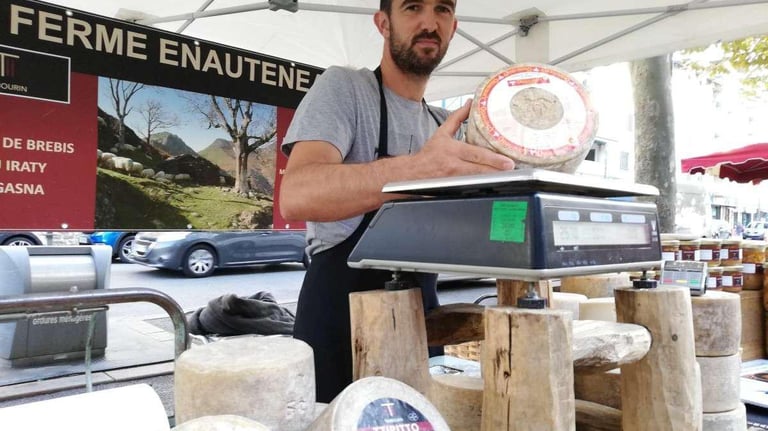
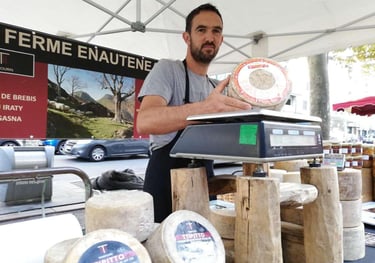
The association promotes food products from Basque producers, local agriculture, and short supply chains. After organizing direct sales during the lockdown, Bizi Ona continues to advocate for quality consumption.
"Good, clean, and fair." The motto of the Bizi Ona association resonates like a leitmotif in the words of its president, Bixente Marichular. A pastry chef by trade, he participated in the creation of the Basque Country branch of the Slow Food movement in 2002. In several countries around the world, activists in this movementfight for local food consumption . This struggle has gained particular traction following the initiatives established during the lockdown.
Slow Food Bizi-Ona is celebrating its 20th anniversary!
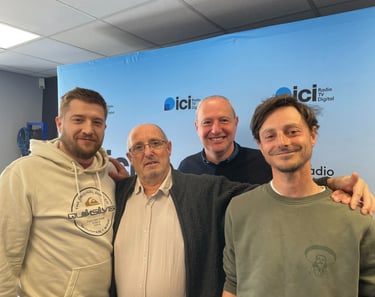
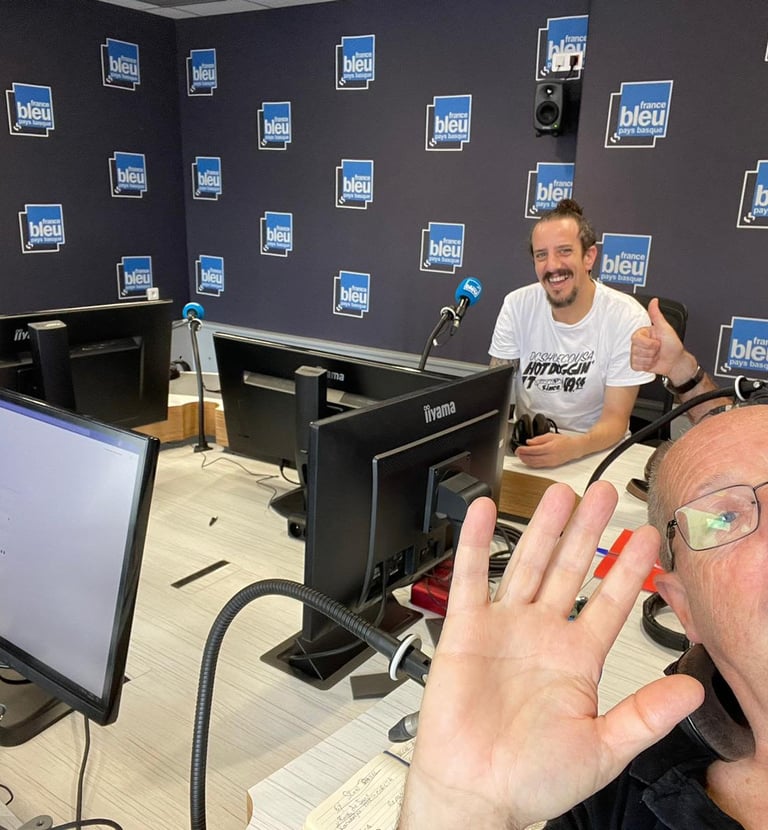
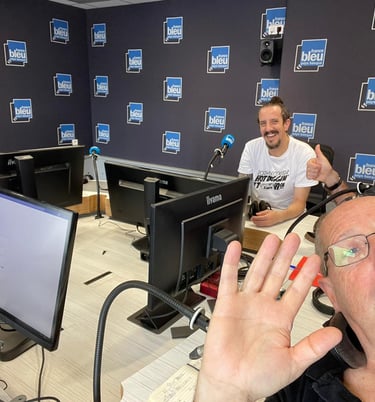
Broadcast on Ici Pays Basque. Stéphane Claverie
Broadcast on Thursday, February 8, 2024 at 10:03 AM
Published on Thursday, February 8, 2024 at 10:03 AM
Economic life, Southwest.
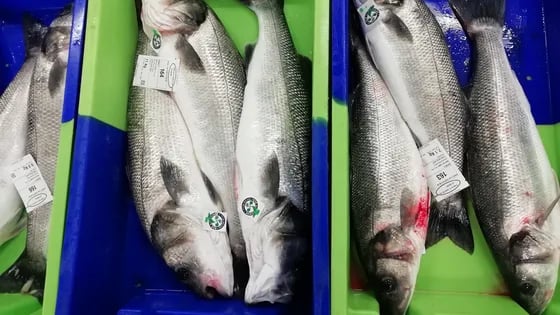
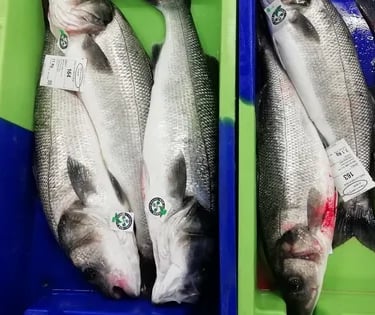
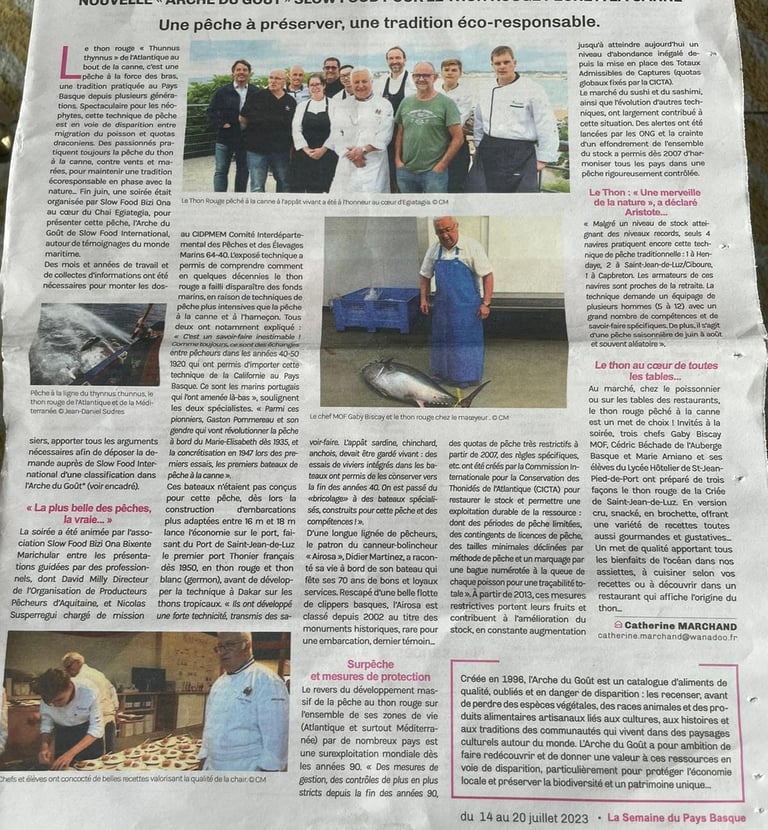
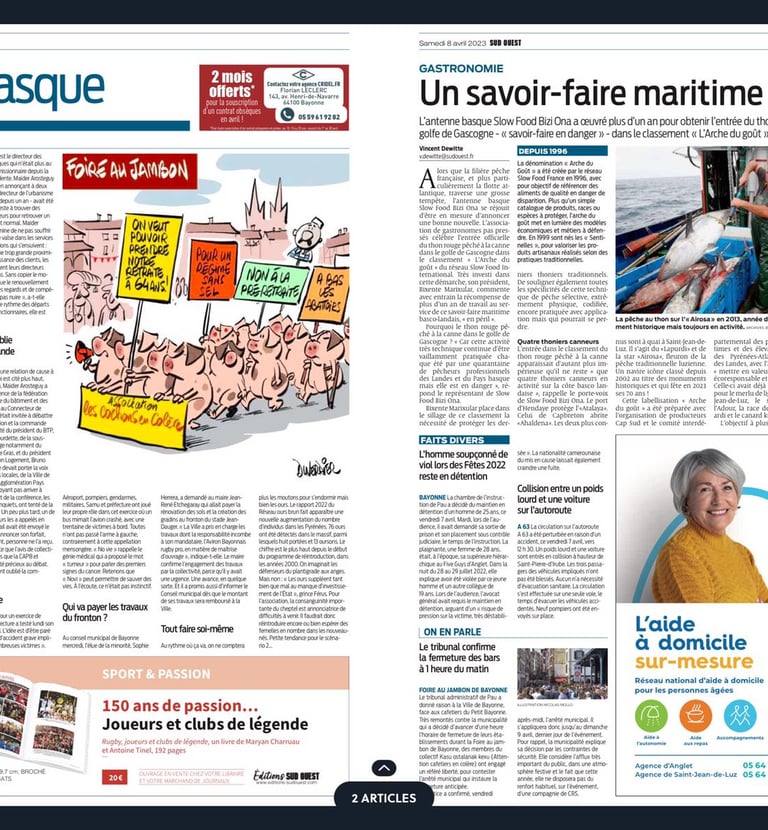
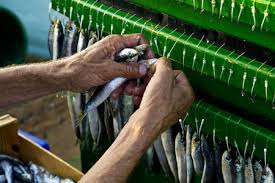
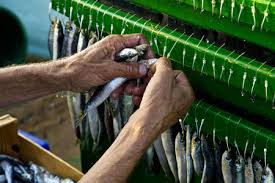
Line-caught hake caught with a rod and reel enters the Ark of Taste, and people are talking about it.
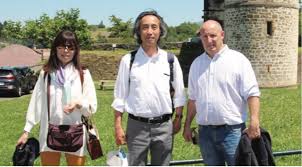
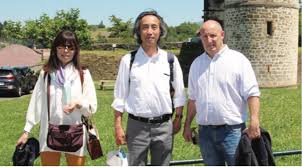
On Monday, June 17th, a Basque-Japanese meeting was organized with Slow Food Bizi Ona and Slow Food Tokyo. The aim was to organize an exchange trip focused on Espelette pepper and its Japanese cousin, "Naito Shinjuku Togarashi," scheduled for the next pepper festival in Espelette in October 2019.
A Japanese delegation, composed of Mr. Takayuki Kawazoe and Ms. Kumiko Nagata, was accompanied by representatives from Bizi Ona Slow Food.
Following the Kriaxera duck, the Sasi Ardi sheep, and the line-caught hake from Saint-Jean-de-Luz, the Bizi Ona association, chaired by Bixente Marichular, continues its work of recognizing the culinary heritage of the Basque Country. To celebrate the inclusion of bluefin tuna fishing with a pole and line in the Ark of Taste, Bizi Ona invited its members to a bluefin tuna tasting prepared by chefs Gaby Biscay and Cédric Béchade, accompanied by students from the Saint-Jean-Pied-de-Port hospitality school, supervised by their culinary arts teacher, Marie Amiano. The evening took place on June 29th in Socoa at the Egiategia winery, known for immersing its wine barrels in the Bay of Saint-Jean-de-Luz.

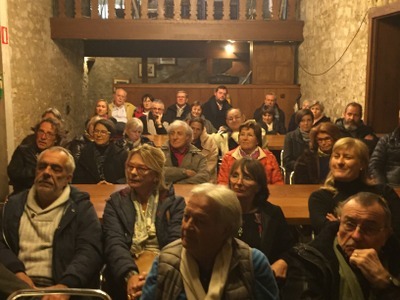
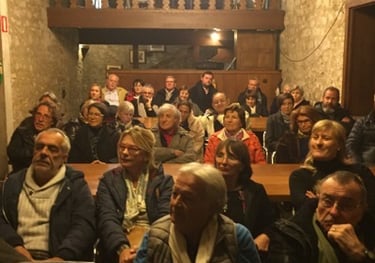
Our visit to Slow Food Bizi Ona
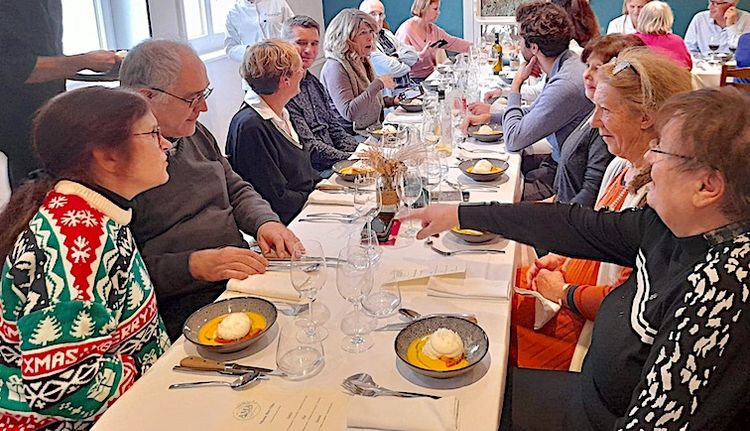
This day, February 27, we received the visit of a number and enthusiastic group of Convivium Bizi Ona de Iparralde. This is the perfect excuse for sending our friends, also receiving our friends from the Convivium de Navarra (Oscar Abad and Iganacio de Álava) and one by producers (Aitor Otaegui and Patxi Caminos).
Bizi Ona - the Basque branch of the Slow Food Movement.
On November 26, 2021, Bizi Ona organized an incredible mushroom-themed dinner. My taste buds are still raving about it! Read my article, where I explain the Slow Food movement and tell you about our delicious mushroom menu. #BiziOna #Association #Slow #gastronomy #Local #Basque #mushrooms | Bizi Ona Association | Slow Food Movement | Basque Gastronomy | local cuisine | local products | Basque Country
...
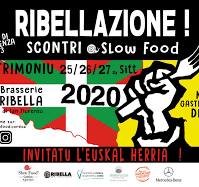
The Corsicans are waiting for us/ article from Corsica/Event
Ribellazione Festival in Patrimonio
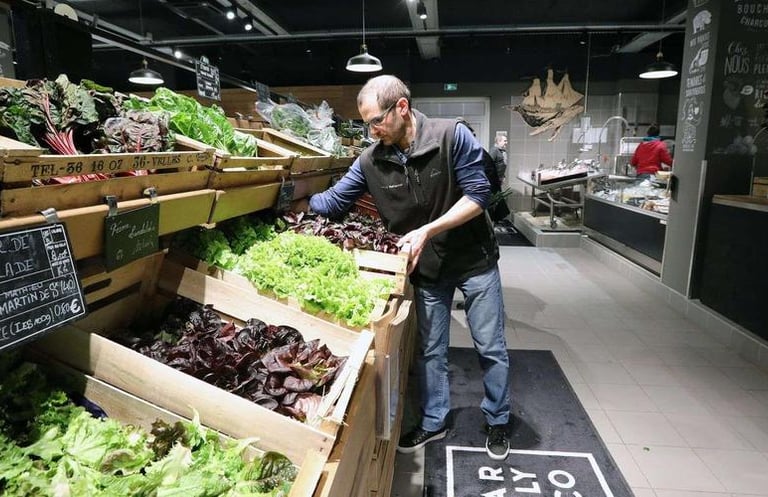
The region offers a wide range of places and products for good and ethically sourced food. Bizi Ona suggests a few suggestions and reliable options
Why should a consumer who is concerned all year round about what he puts on his plate suddenly become a "gullible" offered up to mediocrity when, in the summer, he puts on his holiday shorts?
Let's dream: a stay in the Basque Country can even convert tourists, previously unfamiliar with such considerations, to the "good, clean, and fair" philosophy. These three objectives form the motto of Bizi Ona, the local version of the Slow Food movement. Its president, Bixente Marichular, offers some guidelines and suggestions for a delicious stay.
“We’re talking about land and farmers. I like that word, farmer. That’s where it all starts. ” This advocate of food rooted in its environment and in harmony with the seasons cherishes an ideal when a farmer decides to open his own restaurant. “There, we’re no longer even talking about short supply chains, we’re talking about the whole system…”
Pierre Penin, Southwest, 20/08/2018
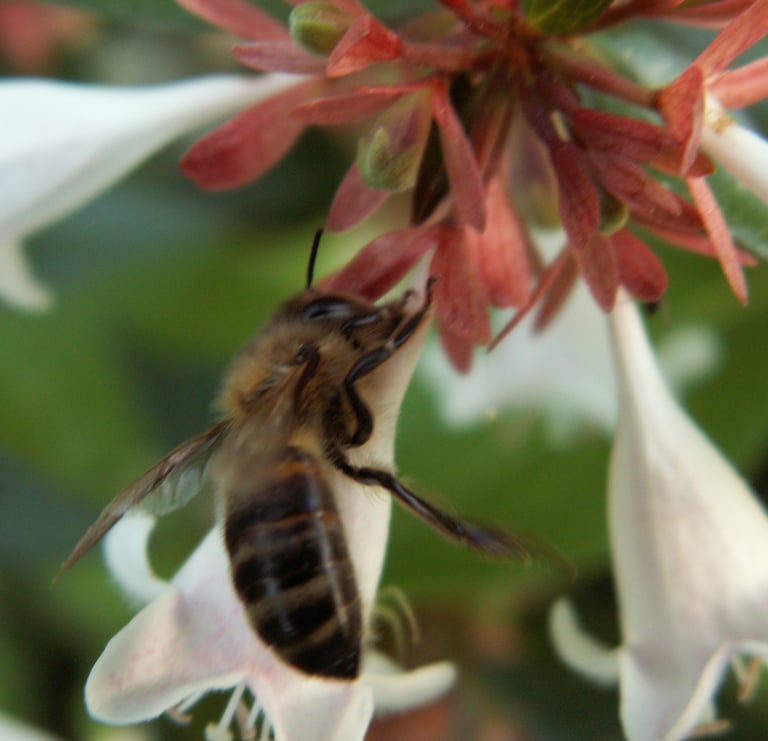
https://www.lspb.fr/labeille-noire-du-pays-basque-et-son-miel-au-coeur-de-la-gastronomie/
Article in La Semaine du Pays Basque by Catherine Marchand on 28/03/2020
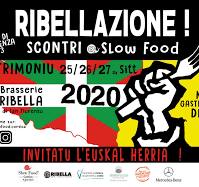
The Corsicans are waiting for us/ article from Corsica/Event
Ribellazione Festival in Patrimonio
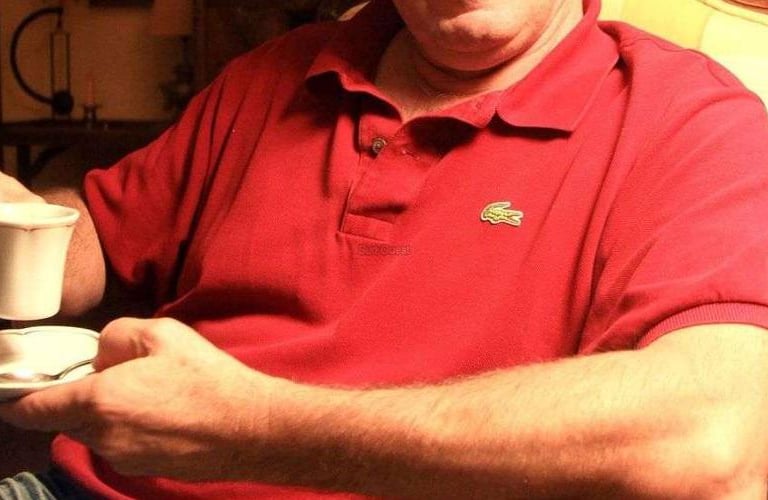
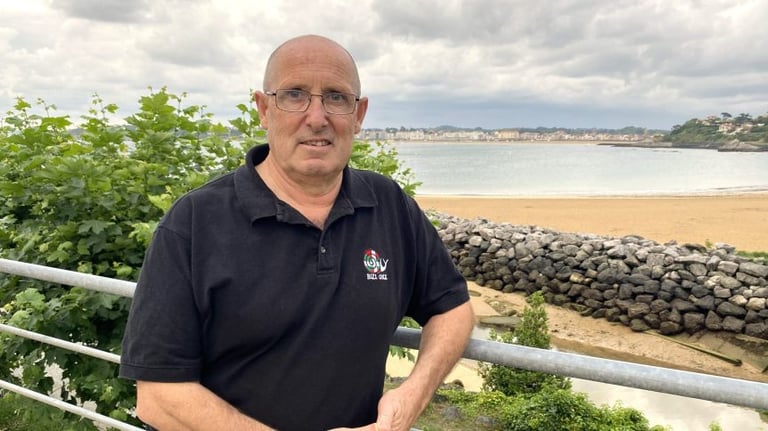
Bixente Marichular. He founded the Basque Cake Museum and heads Bizi Ona, the local Slow Food association. Today, he shops at the market for exceptional products.
It's a success every year. For its 11th edition, the market of exceptional products, organized by the Bizi Ona association, the Basque branch of the international Slow Food movement, will take place in front of the market halls in Saint-Jean-de-Luz. The goal for president Bixente Marichular and his colleagues? To champion authenticity and good food, and to create opportunities for consumers to meet some fifty carefully selected producers. They are there to share their knowledge and offer tastings of the fruits of their meticulous work.
Although he advocates letting time take its course, this has not prevented the Socotar pastry chef, founder of the Basque Cake Museum in Sare, from steering his own ship at full speed.
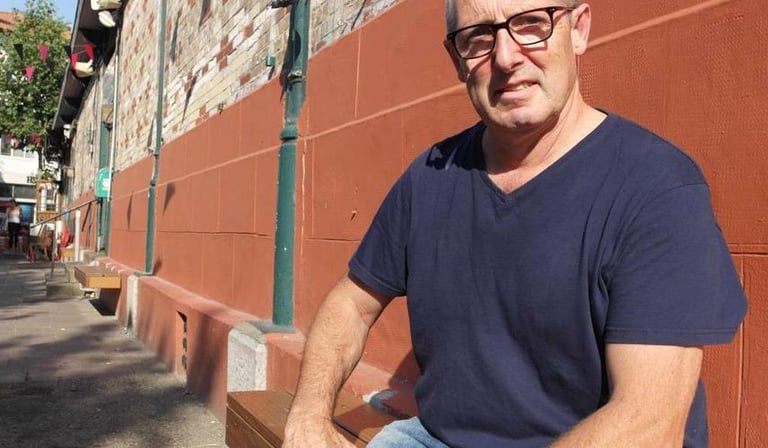
The association promotes food products from Basque producers, local agriculture, and short supply chains. After organizing direct sales during the lockdown, Bizi Ona continues to advocate for quality consumption.
"Good, clean, and fair." The motto of the Bizi Ona association resonates like a leitmotif in the words of its president, Bixente Marichular. A pastry chef by trade, he participated in the creation of the Basque Country branch of the Slow Food movement in 2002. In several countries around the world, activists in this movement fight for local food consumption. This struggle has gained particular traction following the food supply chains established during the lockdown.